
The Antwerp Six Legacy
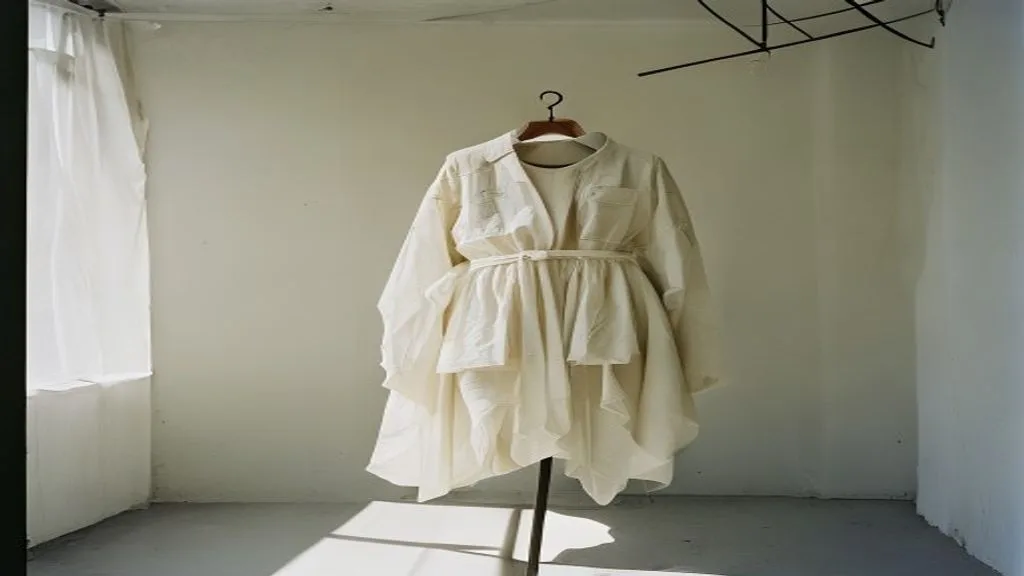
The 1980s Antwerp Six — Dries Van Noten, Ann Demeulemeester, Walter Van Beirendonck and peers — built a deconstructionist Belgian school that quietly seeded most of contemporary high-fashion menswear. These are the labels descending from that lineage.
- 01

Dries Van Noten
Belgium · 1986Dries Van Noten was born in Antwerp in 1958 into a multigenerational family of tailors. He graduated from the Royal Academy of Fine Arts in 1981 with the rest of the Antwerp Six and founded his own house in 1986. The vocabulary, almost immediately, was the opposite of Ann Demeulemeester's: dense floral prints, eastern textile references, color blocking, lavish embroidery, and the kind of optimism in pattern that Belgian conceptualism otherwise refused.
- 02

Ann Demeulemeester
Belgium · 1985Ann Demeulemeester graduated from the Royal Academy of Fine Arts in Antwerp in 1981, was one of the legendary 'Antwerp Six' who collectively rented a truck to bring their first collections to the 1986 British Designer Show in London, and founded her own house there immediately afterwards. The breakthrough was a 1992 Paris solo show. Her vocabulary was, and remains, instantly identifiable: monochrome (white, black, occasional bone), draped construction, asymmetric cuts, deconstructed tailoring, leather trousers, feathers, and a deeply felt punk-rock undercurrent inherited from her love of Patti Smith.
- 03

Maison Margiela
France · 1988Maison Martin Margiela was founded in Paris in 1988 by Belgian designer Martin Margiela, who had spent the previous three years as Jean Paul Gaultier's right hand. The first collection — shown in a Place des Vosges car park — established the brand's vocabulary in a single afternoon: deconstructed tailoring, exposed seams, reused materials (the brand made a coat from old socks, dresses from broken china, sweaters from butcher's gloves), the four white stitches on the back of each garment as a discreet brand mark, and Margiela's own refusal to be photographed or interviewed.
- 04

Raf Simons
Belgium · 1995Raf Simons studied industrial design in Genk, Belgium and worked briefly as a furniture designer before encountering Maison Martin Margiela in 1991 — a meeting that redirected him entirely. He apprenticed under Walter Van Beirendonck, founded his own menswear label in 1995, and presented his first runway collection in 1997. The vocabulary was specific from the start: post-punk youth culture, contemporary art references, Belgian school deconstruction, slim teenage silhouettes, and an obsessive interest in graphics, music, and visual rebellion.
- 05

Henrik Vibskov
United States · 2001Henrik Vibskov was founded in 2001 in Copenhagen by the Danish designer Henrik Vibskov, a Central Saint Martins MA graduate who launched the brand as a Danish-anchored menswear ready-to-wear label with a deliberately unconventional graphic-print and conceptual-installation vocabulary. The brand's foundational thesis was specific: produce a Copenhagen menswear vocabulary that read as the heir to the conceptual-art tradition of Vibskov's Royal Danish Academy of Fine Arts training — fashion-as-installation-art, with the runway show treated as a multi-disciplinary conceptual performance.
- 06

Y/Project
France · 2010Y/Project was founded in 2010 in Paris by Yohan Serfaty (1976-2013), a French designer who had previously worked at Lagerfeld Galerie. After Serfaty's untimely death in 2013, the brand was taken over by his close collaborator Glenn Martens, a Belgian designer who graduated from the Royal Academy of Antwerp. Martens led Y/Project for 11 years (2013-2024), turning it into one of the most-discussed designer brands of its decade through a vocabulary of deconstructed silhouettes, exaggerated proportions, and ironic engagement with logo-luxury.